Table of Contents
Preparing your child for early years admission is an important milestone that sets the foundation for their future academic journey. As families plan ahead for the 2026–27 intake, understanding the expectations of school admissions becomes essential, especially in an international school environment where holistic development is prioritised. Early years education focuses on building confidence, independence and curiosity through structured yet engaging experiences. Choosing the right early learning schools and preparing your child early ensures they are ready to adapt, learn and thrive. With increasing demand for nursery school admission, early preparation helps parents stay organised while supporting their child’s readiness for early childhood learning.
Things this blog will cover in a glance:
• Knowing when to start preparing helps families stay ahead in school admissions
• Developing essential skills supports readiness for early childhood learning
• How social, language, listening, and self-help skills are key for nursery school admission
• Preparing required documents ensures a smooth application process for early learning schools
When Should I Start Preparing for Early Years Admission?
Preparing for early years admission involves understanding timelines, researching schools and gradually preparing your child for structured learning environments. Many international and private schools in Phnom Penh open applications several months in advance, making early planning an essential step in securing placement.
This is important because school admissions can be competitive, especially in reputable early learning schools. Starting early allows parents to explore options, attend open houses and understand admission criteria without pressure. It also gives children time to become familiar with routines and expectations, making the transition into school smoother and less overwhelming.
Proven examples include beginning research at least six to twelve months before the intake year, creating a checklist of important deadlines and visiting shortlisted schools. Parents may also introduce simple daily routines such as structured playtime or reading sessions to help children adapt gradually to an early childhood learning environment.
What Skills Help Before Preschool or Nursery Admission?
Preparing children with foundational skills before preschool or nursery admission focuses on developing behaviours and abilities that help them adapt to classroom settings. These skills are not academically intensive but instead support communication, independence and interaction.
This is important because early childhood learning environments rely heavily on participation, cooperation and routine. Children who develop these skills early are more confident and comfortable in school settings, making their transition smoother. Strong foundational skills also allow teachers to guide children more effectively during their early learning journey.
Proven examples include engaging children in group play to practise interaction, reading together daily to enhance communication and encouraging independence in small daily tasks. These activities build readiness while making learning enjoyable and natural.
Social Skills
Social skills involve a child’s ability to interact with others, share, take turns and express emotions appropriately. These skills are developed through interaction with family members, peers and caregivers.
This is important because social interaction is a core component of early learning schools. Children who can communicate and cooperate with others adapt more easily to classroom environments and build positive relationships with peers and teachers.
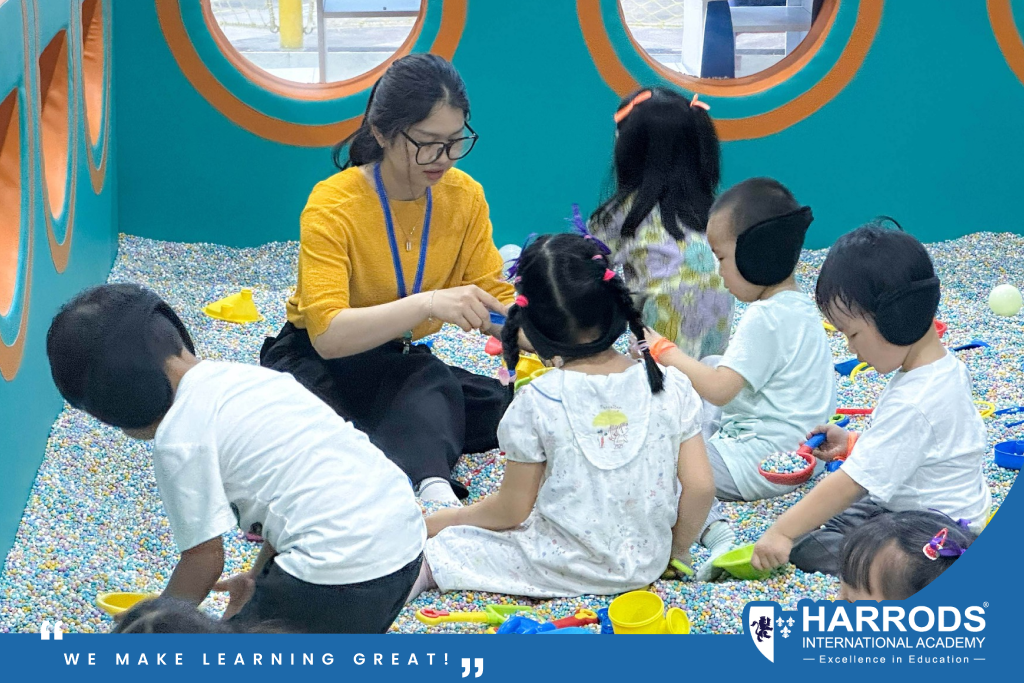
Examples include encouraging playdates, teaching children how to share toys and guiding them to express feelings using words. Activities such as group games or storytelling sessions help reinforce these skills naturally.
Language and Literacy Skills
Language and literacy skills refer to a child’s ability to understand and use words, recognise sounds and develop early reading habits. These skills form the foundation for communication and learning.
This is important because strong language skills help children follow instructions, participate in activities and express themselves clearly. Early literacy also supports long-term academic success by building familiarity with books and storytelling.
Examples include reading storybooks daily, singing songs, engaging in simple conversations and encouraging children to describe objects or experiences. These activities strengthen vocabulary and communication skills in a fun and engaging way.
Listening Skills
Listening skills involve a child’s ability to pay attention, follow instructions and respond appropriately. These skills are essential for learning in structured environments.
This is important because classroom learning often depends on listening and understanding directions. Children who develop good listening skills are more likely to stay engaged and complete tasks successfully.
Examples include playing listening games such as “Simon Says,” giving simple step-by-step instructions or encouraging children to listen to stories and answer questions. These activities improve attention span and comprehension.
Basic Self-Help Skills
Basic self-help skills refer to a child’s ability to perform simple tasks independently, such as eating, dressing and tidying up. These skills promote independence and confidence.
This is important because early learning schools encourage children to manage basic tasks on their own. Children who are independent feel more capable and are better able to adapt to school routines.
Examples include teaching children to wash their hands, pack their belongings, clean up after playtime and use utensils during meals. These small habits build self-reliance and readiness for nursery school admission.
Key Documents to Prepare for School Admissions 2026–27
Preparing key documents involves organising all required paperwork needed for a smooth admission process. International schools require documentation to verify a child’s identity, age and eligibility for enrolment.
This is important because incomplete documentation can delay or complicate school admissions. Being organised ensures that applications are processed efficiently and reduces stress for parents during the admission period.
Proven examples include preparing the child’s birth certificate to confirm eligibility, arranging passport-size photographs for school records and ensuring address proof and parent identification documents are ready. Many parents also keep digital copies for easy submission, ensuring a seamless nursery school admission process.
Conclusion
Preparing your child for early years admission in 2026–27 requires a combination of early planning, skill development and organisation. By starting preparation early, nurturing essential skills such as communication, listening and independence, and ensuring all documents are ready, parents can support a smooth transition into early learning schools. With the growing demand for nursery school admission, being proactive gives families a strong advantage in the school admissions process. Ultimately, thoughtful preparation helps children feel confident, secure and ready to embrace their journey in early childhood learning, setting the stage for long-term academic success and personal growth.