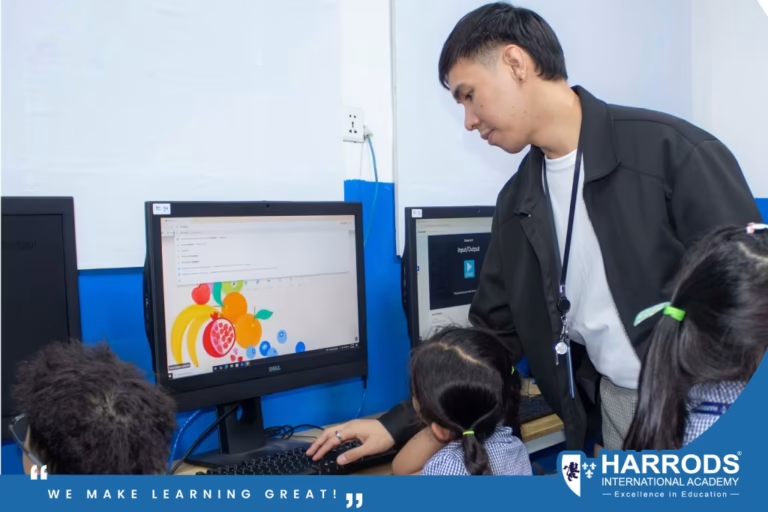
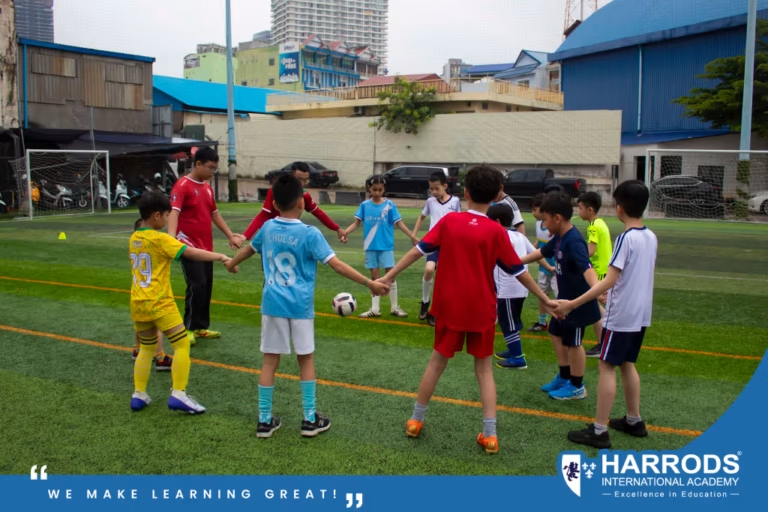
Education in Cambodia has evolved significantly over the past decade, with private and international schools playing a key role in raising expectations and outcomes. Parents today are increasingly seeking learning environments that provide consistency, global relevance and strong academic foundations for their children. This has led many families to ask, How do private schools in Cambodia maintain high educational standards? The answer lies in how these schools respond to local challenges while leveraging global best practices. By addressing structural limitations and prioritising quality teaching, private schools in Cambodia continue to set benchmarks for excellence across the education sector.
- At a glance, this post will go into detail about the challenges schools in Cambodia faces as well as the benefits private school has, including:
- Cambodian schools face challenges related to access, infrastructure, funding and teaching quality
- Private schools address location and transport challenges through strategic planning
- Affordability and accessibility influence how families engage with private education
- Infrastructure and resources directly impact educational quality
- Teaching quality remains central to maintaining high educational standards
- Private and international schools offer strong benefits through qualified educators and global exposure
- Smaller class sizes and enrichment programmes enhance student outcomes and well-being
Challenges Schools Are Facing in Cambodia
1. Location and Travelling Distance
Location and travelling distance refer to how easily students can access school campuses, particularly in urban areas where traffic congestion and infrastructure limitations can affect daily attendance. Many families face long commute times, which can impact student punctuality, energy levels and overall learning readiness.
This challenge is important because accessibility directly affects consistency in attendance and engagement. When students arrive tired or stressed from long commutes, their ability to focus and participate decreases. Maintaining a high educational standard requires schools to consider not only curriculum quality but also how learning environments are accessed.
Private schools in Cambodia often address this by establishing campuses in strategic locations, offering transport services or adjusting schedules to support families. Some schools also create satellite campuses to reduce travel distance, helping students arrive ready to learn and fully engage in their education.
2. Affordability and Accessibility
Affordability refers to the cost of private education and how accessible it is to families from different economic backgrounds. While private schools often require higher fees, balancing quality with accessibility remains a key challenge.
This matters because education should remain inclusive while maintaining strong educational standards. If quality education becomes inaccessible, the broader goal of raising national education outcomes becomes more difficult to achieve.
Private schools address this challenge by offering flexible fee structures, scholarships or sibling discounts. Some institutions also provide financial planning support to families, ensuring that access to quality education remains achievable while sustaining operational excellence.
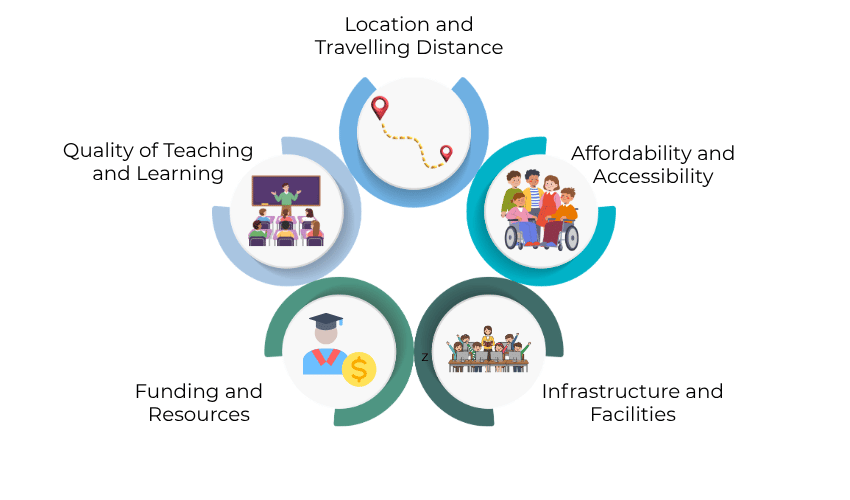
3. Infrastructure and Facilities
Infrastructure includes classrooms, laboratories, libraries, technology and recreational spaces that support learning. Inconsistent infrastructure quality can limit hands-on learning and restrict curriculum delivery.
This is important because modern education requires environments that support collaboration, experimentation and digital learning. Strong infrastructure directly enhances teaching effectiveness and student engagement, contributing to a higher educational standard.
Private schools in Cambodia often invest heavily in modern facilities, including science labs, technology-equipped classrooms and safe recreational spaces. These environments allow students to experience learning beyond textbooks, strengthening understanding and curiosity.
4. Funding and Resources
Funding impacts a school’s ability to maintain facilities, hire qualified teachers and invest in learning materials. Limited funding can restrict programme development and innovation.
This challenge matters because sustained funding ensures long-term educational quality. Schools that lack resources may struggle to keep up with curriculum updates or global education trends.
Private schools mitigate this by reinvesting tuition fees into academic resources, technology upgrades and professional development. Transparent financial planning ensures that resources directly support learning outcomes.
5. Quality of Teaching and Learning
Teaching quality refers to the expertise, training and commitment of educators, as well as the methods used to deliver instruction. Inconsistencies in teacher preparation can affect learning outcomes.
This is crucial because teachers are the primary drivers of educational success. High educational standards depend on effective instruction, assessment and student support.
Private schools maintain quality by recruiting experienced educators, offering continuous professional development and adopting internationally benchmarked curricula. This ensures teaching remains current, reflective and student-centred.
Benefits Private and International Schools Can Provide
1. Qualified Educators: Learning From the Best
Qualified educators bring subject expertise, pedagogical knowledge and international experience into the classroom. Their training enables them to adapt lessons to diverse learning needs.
This is important because skilled teachers can personalise instruction and support students more effectively. Strong teaching directly elevates the educational standard within schools.
Private schools in Cambodia often recruit internationally trained teachers and invest in ongoing professional development. This ensures that students benefit from high-quality instruction aligned with global best practices.
2. Emphasis on Attention: Smaller Classroom Sizes
Smaller classroom sizes allow teachers to give individual attention, monitor progress closely and adapt teaching strategies.
This matters because personalised learning improves academic outcomes and emotional well-being. Students feel supported and are more likely to participate actively in lessons.
Private schools maintain smaller class sizes to ensure effective interaction, timely feedback and stronger student-teacher relationships, all of which contribute to sustained academic excellence.
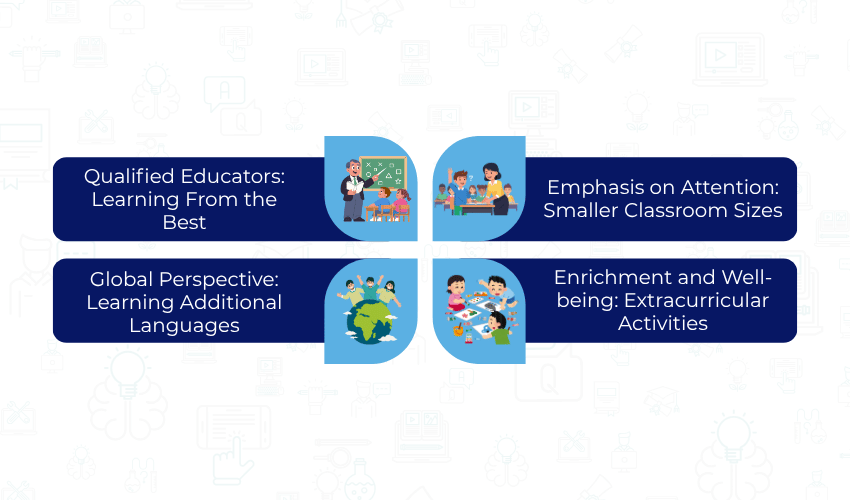
3. Global Perspective: Learning Additional Languages
Most English schools in Cambodia offers multiple languages in addition to English or the national language. A global perspective includes exposure to multiple languages, cultures and international viewpoints. Language learning enhances communication skills and cultural awareness.
This is important because global competence will be crucial for students beyond secondary education in Cambodia and prepares them for international opportunities on higher education abroad. It also fosters open-mindedness and adaptability.
Private and international schools integrate language programmes and multicultural activities into daily learning, helping students develop global citizenship alongside academic strength.
4. Enrichment and Well-being: Extracurricular Activities
Extracurricular activities support holistic development by nurturing creativity, leadership and physical well-being.
This matters because education extends beyond academics. Balanced development supports confidence, resilience and long-term success.
Private schools offer sports, arts, clubs and community service opportunities that complement academic learning. These programmes strengthen student engagement and overall educational quality.
Conclusion
Private schools in Cambodia play a vital role in maintaining and elevating educational standards by addressing local challenges while implementing global best practices. Through strategic investment in infrastructure, qualified educators, personalised learning and holistic development, these schools create environments where students can thrive academically and personally. When parents ask, How do private schools in Cambodia maintain high educational standards?, the answer lies in their commitment to quality, adaptability and continuous improvement. As Cambodia’s education landscape continues to evolve, private schools remain key contributors to shaping confident, capable and globally prepared learners.