Table of Contents
Many parents have heard of Montessori Education, but not everyone fully understands its long-lasting impact on a child’s development. So, what is Montessori Education? Developed by Dr Maria Montessori in the early 20th century, this educational approach focuses on hands-on learning, self-directed activity, and collaborative play. It recognises that each child learns differently and allows them to explore subjects at their own pace, guided by curiosity rather than strict instruction.
Children who begin their journey in a Montessori environment often grow to become independent, confident, and creative thinkers. The programme nurtures both academic understanding and life skills by fostering a love of learning that extends well beyond the classroom. As a result, Montessori learning not only supports intellectual growth but also emotional and social development—preparing children to succeed in all aspects of life.
Why Montessori Education Is a Foundation for Lifelong Success
The benefits of Montessori Education go beyond reading, writing, and arithmetic. It’s a holistic method that prepares children to navigate real-world challenges through critical thinking, independence, and social awareness.
By encouraging exploration, responsibility, and respect for others, Montessori learning helps children build strong foundations in communication, leadership, and problem-solving. These are skills that traditional education systems often introduce later, but in Montessori classrooms, they are cultivated from the start. Below are some of the key benefits of starting your child on the Montessori programme early in life.
1. Effective Knowledge Acquisition Through Personalised Learning
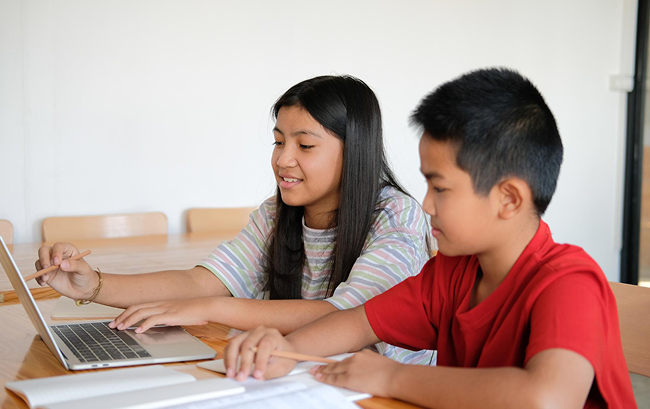
One of the most defining features of Montessori Education is its emphasis on personalised learning experiences. In a Montessori international preschool, children learn at their own pace, selecting activities that align with their interests and developmental stage. Rather than following a one-size-fits-all curriculum, teachers act as guides, observing each child and introducing new challenges when they’re ready to progress.
This personalised approach ensures that learning is meaningful and effective. By honouring each child’s natural curiosity, Montessori learning fosters deeper understanding and retention of knowledge. Instead of memorising facts, children explore concepts through hands-on experiences, which solidify their comprehension and make learning enjoyable.
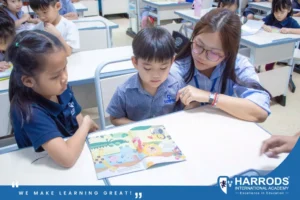
For instance, a child learning about mathematics may use tangible materials like number rods or counting beads to engage with abstract concepts physically. Another may explore language through storytelling and sensory activities that enhance vocabulary and comprehension. This hands-on, discovery-based learning approach encourages mastery at every step.
2. Instils a Love for Learning by Making It Fun
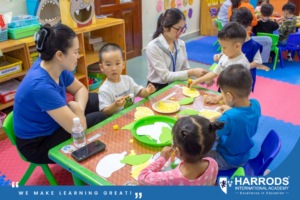
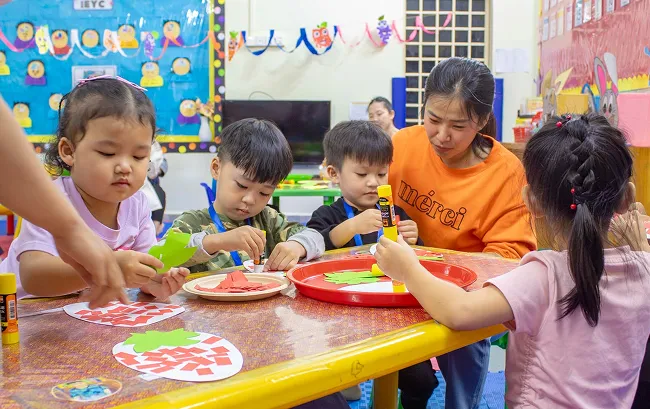
A major benefit of Montessori Education is that it makes learning fun, which in turn cultivates a lifelong love for learning. Montessori classrooms are designed to be stimulating yet calm, filled with materials that invite exploration and discovery. Children are free to choose tasks that capture their interest, making them active participants in their own education.
When children view learning as enjoyable rather than obligatory, they become naturally motivated to explore new ideas. This intrinsic motivation is far more sustainable than external rewards or grades. By transforming education into an engaging, joyful experience, Montessori learning creates learners who are curious, confident, and eager to grow.
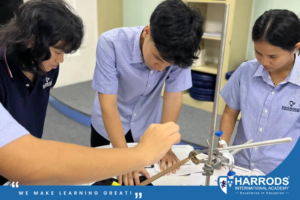
In practice, this might look like a group of children conducting a science experiment on plant growth, another child building geometric shapes with colourful blocks, or a few students role-playing to understand social dynamics. Every activity is purposeful, yet playful—proving that serious learning can happen through fun.
3. Teaches Critical Thinking and Creativity
Another important benefit of Montessori Education is its ability to nurture critical thinking and creativity from an early age. Rather than relying on rote memorisation, children are encouraged to question, analyse, and experiment. They learn through trial and error, discovering multiple solutions to a single problem—an essential skill in today’s complex world.
Critical thinking and creativity are cornerstones of innovation. Montessori classrooms promote these skills by allowing children to explore open-ended questions and make independent decisions. This process strengthens their ability to think logically, make connections, and express original ideas.
For example, a child might be asked to figure out how to build a stable tower with limited materials or to find different ways to solve a math problem. In art, students are free to use materials as they wish, leading to creative expression that reflects individual thought. These experiences prepare them for real-life problem-solving where creativity meets logic.
4. Introducing Learners to Vital Leadership Skills
Leadership may not be the first trait associated with preschool or primary education, but in the Montessori Education model, it’s a natural by-product of independence and responsibility. Children are given autonomy in their learning environment—choosing tasks, managing time, and helping peers—which naturally builds leadership qualities.
Leadership is not just about directing others; it’s about taking initiative, showing empathy, and making responsible decisions. Montessori students develop these attributes organically because they are treated as capable individuals trusted to make meaningful choices. The multi-age classroom setting also provides opportunities for older students to mentor younger ones, reinforcing a sense of guidance and cooperation.
A child helping a younger classmate tie their shoes, or an older student assisting a peer in solving a puzzle, are simple yet powerful examples of leadership in action. Over time, these everyday interactions teach students accountability, empathy, and teamwork—skills they will carry throughout their lives.
5. Cultivating Communication and Social Skills
The final benefit of Montessori Education lies in its focus on communication and social skills. Montessori classrooms encourage collaboration, respect, and dialogue. Children are taught to express their thoughts clearly, listen to others, and resolve conflicts peacefully.
Effective communication and social awareness are essential for personal and professional success. Montessori learning helps children understand that communication is not about dominance—it’s about cooperation, understanding, and empathy. By interacting daily with peers of different ages and backgrounds, students learn to build relationships rooted in respect and kindness.
Group discussions, storytelling sessions, and cooperative projects are common features of Montessori classrooms. For instance, students may work together to plan a class activity or create a shared art piece, learning how to negotiate ideas and compromise respectfully. Such experiences shape emotionally intelligent communicators who can thrive in any social setting.
In Summary
When we reflect on what Montessori Education is, it becomes clear that it’s much more than a teaching method—it’s a philosophy of nurturing the whole child. From personalised learning and curiosity-driven discovery to leadership and social development, the benefits of Montessori Education extend far beyond academics.
By starting your child on the Montessori programme early, whether through a structured Early Preschool environment or continued Montessori learning, you’re not just giving them a head start in school—you’re helping them develop the confidence, creativity, and compassion needed to thrive in life. In a world that values adaptability and innovation, Montessori learning offers the perfect balance of independence, guidance, and joy in education.