Table of Contents
In the evolving landscape of education, traditional lectures are no longer enough to capture the attention of modern students. Today, educators are embracing active learning—a dynamic teaching approach that places students at the centre of the learning process. But what is active learning exactly?
Active learning is a method where students engage directly with the material through discussion, problem-solving, collaboration, and hands-on activities, rather than passively receiving information from a teacher. It encourages them to think critically, question ideas, and apply concepts in practical situations. This learner-centred approach makes lessons more interactive and engaging, transforming the classroom into an environment of discovery and participation.
Why Active Learning Is Essential in Modern Education
The importance of active learning lies in its power to increase student engagement, understanding, and retention. Studies have shown that students remember information better when they participate actively in the learning process. It’s not just about listening—it’s about doing.
In a world where attention spans are short and digital distractions are everywhere, active learning techniques help students focus, collaborate, and develop essential skills like communication, problem-solving, and adaptability. These skills are not only vital for academic success but also for life beyond the classroom.
Below are several proven ways that active learning keeps students engaged and helps them thrive in today’s fast-paced educational environment.
1. Making the Learning Experience Fun Through Participation
One of the most immediate benefits of active learning is that it makes lessons fun and engaging through participation. Instead of listening passively, students take part in activities such as group discussions, debates, experiments, role-playing, or interactive games that reinforce their understanding of the subject.
Fun and participation are key motivators in learning. When students enjoy the process, they’re more invested in the outcome. Active learning transforms classrooms into vibrant spaces where curiosity thrives and learning feels natural, not forced. This sense of enjoyment helps students connect emotionally with what they are learning, making knowledge more memorable.
For example, in a history class, rather than memorising dates, students might reenact historical events or participate in debates representing different viewpoints. In a science lesson, students could conduct hands-on experiments instead of watching demonstrations. These participatory methods not only make learning enjoyable but also help students understand concepts deeply and retain them longer.
2. Encourages Students to Engage with Spontaneity
A defining feature of active learning is its ability to encourage spontaneity in engagement. Unlike traditional teaching methods that rely heavily on structured lectures, active learning allows students to ask questions, express opinions, and share insights freely during lessons. Many primary schools in Cambodia are now integrating these spontaneous engagement techniques to keep students alert and responsive.
Spontaneous engagement stimulates critical thinking and adaptability. When students are encouraged to speak up or contribute ideas on the spot, they become more alert, attentive, and involved in the lesson. This spontaneity fosters confidence and helps learners develop the ability to think quickly and creatively—skills that are essential for both academic and professional success.
A teacher might use open-ended questions to spark discussion or introduce surprise problem-solving challenges during class. In language lessons, spontaneous storytelling or impromptu speaking exercises encourage active participation. These moments of unscripted engagement make the classroom environment lively and intellectually stimulating.
3. Incorporates Elements of Socialising
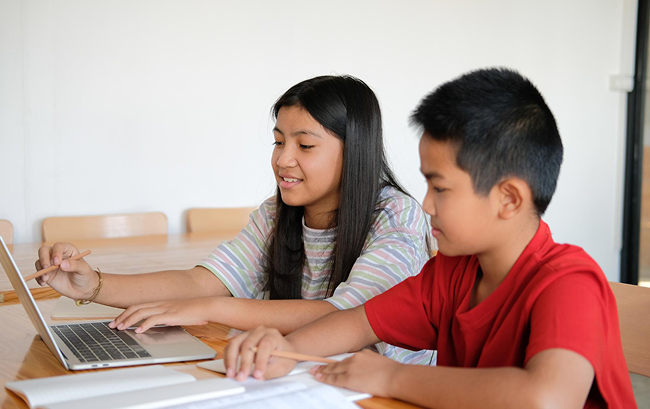
Another vital aspect of active learning is that it integrates social interaction into the learning process. Group work, peer review, and collaborative projects give students the chance to learn from each other, building teamwork and interpersonal communication skills in the process.
Social interaction in education is more than just conversation—it’s a way to build empathy, cooperation, and understanding. By learning collaboratively, students develop respect for diverse opinions and realise that learning is a shared experience. This sense of belonging and mutual respect enhances motivation and classroom harmony.
For example, in literature classes, students might analyse poems together in small groups, comparing interpretations. In mathematics, group problem-solving tasks encourage students to brainstorm and learn from different approaches. Even simple peer feedback sessions can promote dialogue and improve comprehension. Through these interactions, active learning turns the classroom into a social community of shared growth.
4. Students Receive Instant and Real-Time Feedback
One of the most practical benefits of active learning is the opportunity for immediate feedback. When students are actively participating, teachers can observe their progress in real time and offer constructive input on the spot.
Immediate feedback accelerates learning. Students can correct misunderstandings, refine their thinking, and apply feedback immediately rather than waiting for graded assignments. This ongoing dialogue between teachers and students builds trust and encourages continual improvement. Moreover, it allows teachers to tailor their instruction to individual needs, making learning more effective for everyone.
In a classroom using clicker systems or interactive polls, teachers can instantly assess understanding of a topic. During group discussions or presentations, teachers might offer quick pointers or clarifications. Even peer-to-peer feedback, such as reviewing each other’s work during class, contributes to the immediate learning cycle. This constant flow of feedback keeps students engaged and ensures learning is dynamic and responsive.
5. Cultivating the Fundamentals of Communication and Social Skills
Lastly, active learning plays a crucial role in developing communication and social skills. Because students are continually interacting, expressing opinions, and presenting ideas, they naturally build confidence in public speaking and interpersonal communication.
Communication skills are among the most valuable lifelong tools students can acquire. Active learning environments encourage them to listen attentively, articulate ideas clearly, and collaborate respectfully with others. These experiences prepare students not just for exams, but for real-world interactions where teamwork and effective communication are essential.
Class activities like group discussions, peer teaching, or collaborative projects help students practise communication in structured yet flexible settings. In debates, for instance, learners must defend their viewpoints respectfully while acknowledging others’ perspectives. These experiences build empathy, patience, and eloquence—qualities that extend far beyond the classroom.
In Summary
When we ask what is active learning, the answer goes beyond interactive teaching—it’s a transformative approach that makes students active participants in their education. By making lessons fun, encouraging spontaneity, promoting social interaction, providing instant feedback, and building strong communication skills, the benefits of active learning extend far beyond academic success.
An actively engaged student is not only more likely to understand the material but also more likely to enjoy the process of learning itself. As classrooms continue to evolve, active learning stands out as one of the most effective ways to keep students motivated, confident, and curious—preparing them for a lifetime of learning and growth. This is especially true in secondary level education, where active participation significantly enhances comprehension and long-term academic development.