Table of Contents
Why International Private Schools Are Popular with Expat Parents
Private schools are educational institutions that operate independently from government systems, often offering specialised curricula, enhanced facilities and a more personalised approach to learning. In recent years, international private schools in Phnom Penh have become increasingly popular among globally mobile families, particularly expat parents who seek continuity and quality in their children’s education. These schools typically follow internationally recognised curricula such as British, American or IB frameworks, ensuring that students can transition smoothly between countries without disruptions to their academic journey.
International schools like kindergarten in Cambodia also play a significant role in cognitive development by combining structured academics with inquiry-based and experiential learning. This approach encourages critical thinking, creativity and problem-solving—skills that are essential in today’s rapidly evolving world. The benefits of international schools extend beyond academic success, as they foster global awareness, adaptability and cultural intelligence. For expat families navigating new environments, these schools provide not only education but also a sense of stability and belonging.
Summary of Subject Matters (As Required in Point Format):
- Private schools in Cambodia are growing due to rising demand for globally recognised education
- International private schools offer holistic development through academics and co-curricular activities
- Features such as small class sizes and modern facilities enhance learning outcomes
- Expat parents consider multiple factors when choosing schools abroad, from safety to curriculum
- A well-informed decision ensures both academic success and personal well-being for children
Why Are Private Schools Growing in Cambodia?
A Holistic British Education
A holistic British education focuses on nurturing the whole child by balancing academic achievement with personal development, creativity and emotional well-being. This approach integrates structured learning with opportunities for students to develop leadership, collaboration and independent thinking skills.
This is particularly important for expat parents, as it provides a familiar and globally respected framework that ensures continuity in their child’s education. A holistic approach aligns with the expectations of international families who value not only strong academic results but also character development and adaptability.
For example, many international private schools offer Cambridge or British curricula that include project-based learning, group discussions and reflective practices. Students may participate in leadership programmes, community projects or interdisciplinary assignments that mirror real-world challenges. These experiences help students develop confidence and resilience, preparing them for future academic and career pathways.
Diverse Co-Curricular Activities
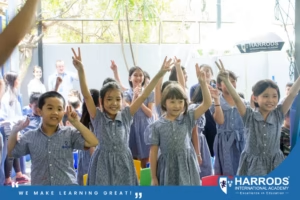
Co-curricular activities encompass a wide range of programmes including sports, arts, music, drama and leadership clubs. These activities complement academic learning by allowing students to explore their interests and develop additional skills.
This is important because the benefits of international schools go beyond academics. For expat families, co-curricular opportunities help children integrate into new environments, build friendships and gain confidence. These programmes also support physical health, emotional well-being and social development.
Examples include participation in football teams, school orchestras, theatre productions or robotics clubs. Students may also engage in community service or leadership initiatives, which help them develop teamwork and responsibility. These experiences create a well-rounded educational journey that supports both academic and personal growth.
Higher Demand for Quality Education
The demand for quality education in Cambodia has grown significantly due to increased awareness of global academic standards and future career requirements. Families are prioritising schools that offer internationally recognised qualifications and modern teaching methodologies.
This is important because expat parents often seek education systems that align with global standards, ensuring their children remain competitive regardless of where they relocate next. High-quality education also supports long-term academic success and career readiness.
For instance, many schools have adopted international curricula such as IGCSE or A-Levels, invested in teacher training and implemented innovative teaching practices. This commitment to quality has positioned international private schools as preferred choices for both local and expatriate families.
Small Class Sizes for Enhanced Learning
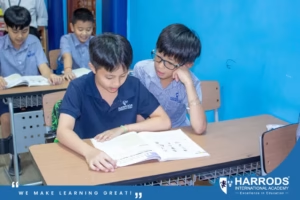
Small class sizes allow teachers to provide individualised attention, monitor student progress closely and adapt teaching strategies to suit different learning styles. This creates a more personalised and effective learning environment.
This is important because students benefit from stronger teacher-student relationships, increased participation and timely feedback. For expat children adjusting to new environments, personalised support is crucial for building confidence and academic success.
Examples include teachers conducting one-on-one discussions, tailoring lessons based on student needs and providing targeted support for areas of improvement. Smaller classes also encourage active participation, allowing students to engage more deeply with the curriculum.
Diverse Curriculum Options
International schools often offer a variety of curricula, allowing families to choose the best fit for their child’s learning style and future goals. These options may include British, American or international programmes.
This is important because flexibility ensures continuity in education, especially for expat families who may move frequently. A diverse curriculum also accommodates different academic strengths and career aspirations.
Examples include schools offering IGCSE, A-Levels or other international qualifications that prepare students for universities worldwide. This flexibility allows families to align education with long-term plans, ensuring smoother transitions across countries.
World-Class Facilities and Resources
World-class facilities include modern classrooms, science laboratories, libraries, technology hubs and sports complexes that enhance the overall learning experience.
This is important because access to high-quality resources supports interactive and engaging learning. It also reflects a school’s commitment to maintaining high educational standards.
Examples include digital classrooms equipped with smart technology, specialised labs for science experiments and creative spaces for arts and design. These facilities enable students to learn through experience, making education more dynamic and impactful.
English and Bilingual Education
English and bilingual education programmes help students develop strong communication skills while maintaining cultural identity. These programmes are particularly valuable in international settings.
This is important because English is widely used in global education and professional environments. For expat families, English-medium instruction ensures continuity and ease of transition between countries.
Examples include bilingual programmes that combine English with local languages, allowing students to become confident communicators in diverse contexts. This strengthens both academic performance and global readiness.
Factors to Consider When Choosing a School Abroad
Choosing the right school abroad involves evaluating multiple factors that influence a child’s academic experience and overall well-being. Each factor plays a crucial role in ensuring the selected school aligns with the family’s needs and expectations.
Location is important because it affects daily routines and convenience. Families often choose schools close to home or those offering transport services to reduce travel time and fatigue.
Safety is a top priority, as parents need assurance that their children are in a secure environment. Schools with strong safeguarding policies and trained staff provide peace of mind for families.
Curriculum determines academic direction and future opportunities. Selecting a recognised curriculum ensures students are prepared for higher education globally.
Language of instruction affects communication and learning. English or bilingual programmes are often preferred by expat families for ease of transition.
Selectivity reflects school admissions standards and academic expectations. Understanding these criteria helps families prepare effectively for student applications.
Extracurricular activities support holistic development, offering opportunities for students to explore interests beyond academics.
Reputation and accreditation indicate the quality and credibility of a school. Accredited schools are more likely to maintain consistent educational standards.
Social life is crucial for integration, especially for expat students adapting to new environments. Schools with inclusive communities help students build friendships and confidence.
Teaching staff quality directly impacts learning outcomes. Experienced and qualified teachers provide better guidance and support.
Special athletic activities promote physical development and teamwork, contributing to overall well-being.
Cost and financial aid determine affordability. Many international private schools offer scholarships or payment plans to support families.
Conclusion
The increasing popularity of international private schools among expat parents reflects a growing demand for high-quality, globally relevant education. These schools offer a comprehensive approach that combines strong academics, holistic development and supportive learning environments. From diverse curricula and small class sizes to world-class facilities and co-curricular opportunities, the benefits of international schools make them an attractive choice for families relocating abroad. By carefully considering key factors such as curriculum, safety and location, parents can make informed decisions that support their child’s academic success and personal growth. Ultimately, international schools provide a strong foundation for students to thrive in an interconnected and ever-changing world.