Table of Contents
When choosing a school, parents naturally pay close attention to the curriculum, teaching standards and academic results. However, the physical environment in which children spend much of their day can be equally important. A school campus includes the classrooms, learning facilities, recreational spaces and wider environment that collectively support students throughout their education.
For parents wondering what does campus mean in an educational context, it is useful to think beyond the school building itself. A campus is the broader physical environment where academic lessons, extracurricular activities, social interaction and personal development take place. Its infrastructure, security measures, learning spaces and facilities can all influence how comfortably and effectively students participate in school life.
A well-designed campus should therefore support more than academics. It should give students opportunities to learn, collaborate, exercise, explore their interests and develop confidence within a safe environment. Parents comparing schools should evaluate these qualities alongside curriculum and teaching standards before making an admission decision.
What Is a School Campus?
To define campus simply, a school campus is the collection of buildings, facilities and spaces used by an educational institution. Depending on the school, this can include classrooms, laboratories, libraries, sports areas, playgrounds, performance spaces, dining areas, administrative offices and outdoor environments.
A campus differs from an individual school building because it encompasses the complete environment in which school life occurs. A classroom building might primarily contain teaching spaces, whereas the wider campus provides infrastructure supporting academic, physical, creative and social development.
This distinction matters because students learn in many different settings. Science experiments may take place in laboratories, independent research can happen in libraries, teamwork may occur in collaborative spaces, and physical education requires suitable sporting facilities. A thoughtfully planned campus brings these experiences together and helps the school provide a more complete education.
Why Does a School Campus Matter for a Child’s Development?
The learning environment can influence how students participate in education. Comfortable classrooms, appropriate learning resources and spaces designed for different activities can make it easier for students to concentrate, interact with classmates and engage with lessons.
Academically, access to specialised facilities can give students opportunities to move beyond textbook knowledge. Science laboratories, technology resources and libraries allow learners to investigate concepts, conduct research and apply their understanding. These opportunities can be particularly relevant for older students following programmes such as the Cambridge IGCSE curriculum, where developing subject knowledge alongside analytical and practical abilities can support progression.
Campus design can also contribute to physical health. Playgrounds, sports courts and other activity spaces encourage movement and provide opportunities for structured physical education and recreational exercise. Regular opportunities for movement can complement the more sedentary activities associated with classroom learning.
Emotional and social development are equally important. Students need spaces where they feel secure, comfortable and included. Collaborative classrooms and shared activity areas create opportunities to communicate, establish friendships and work with different peers. Creative and extracurricular environments can meanwhile give children opportunities to discover interests, take on challenges and build confidence.
Essential Features Every Good School Campus Should Have
Parents comparing schools can examine several important areas to understand how effectively a campus supports students.
1. Safe and Secure Campus
Campus safety encompasses the policies, infrastructure and procedures used to protect students throughout the school day. Measures can include controlled entry and exit points, CCTV, visitor-management procedures, emergency protocols, fire-safety systems and appropriate student supervision.
Safety is fundamental because students need an environment in which they can focus on learning without unnecessary risks. Parents also need confidence that the school knows who is entering the campus and has established procedures for responding to emergencies.
During a campus visit, parents can observe how visitors enter the premises, ask about student collection procedures and enquire about emergency preparedness. They might also ask how younger students are supervised when moving between classrooms, playgrounds and other campus facilities.
2. Modern Classrooms
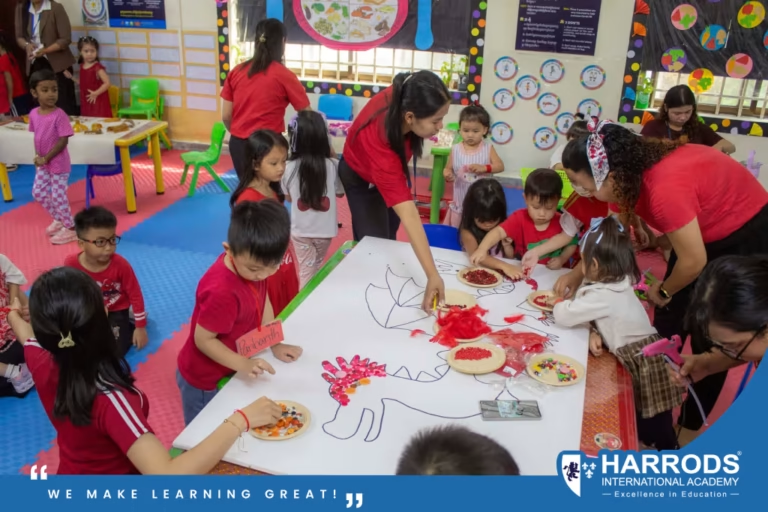
Classrooms are among the most frequently used spaces on any school campus, making their design particularly important. Suitable classrooms should provide appropriate space, ventilation, comfortable seating and resources that correspond with students’ ages and learning requirements.
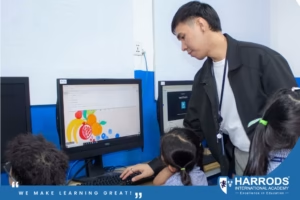
Modern classrooms can also incorporate digital learning tools and flexible spaces for different teaching methods. Technology can support presentations, research and interactive activities, while adaptable classroom arrangements can make it easier for students to move between individual tasks and collaborative learning.
For example, a lesson might begin with teacher instruction before students move into small groups to investigate a problem. A classroom designed for both structured teaching and interaction makes these transitions easier and enables educators to use different learning strategies according to the lesson objective.
3. Science, Computer, and Innovation Labs
Specialised laboratories allow students to apply concepts through practical experiences. Science laboratories can support experiments, while computer and innovation spaces can provide opportunities to develop digital literacy, coding, robotics and other technology-related abilities.
These facilities are valuable because practical learning can help students understand how theoretical concepts function outside textbooks. Students can make predictions, test ideas, observe outcomes and analyse why results occur.
For instance, a Science student studying chemical reactions can gain a different learning experience by safely observing a reaction under teacher supervision rather than only reading about it. Similarly, coding and robotics activities can require students to apply logical thinking and problem-solving while developing a working project.
4. Library and Reading Spaces
A strong library provides students with access to age-appropriate books, research materials and potentially digital resources. Quiet reading and study areas can also give learners an environment for independent academic work.
Libraries remain important even when information is widely available online. Students need to learn how to locate appropriate sources, distinguish reliable information and develop sustained reading habits.
Younger children might visit the library to discover new stories and strengthen their enthusiasm for reading, while secondary students may use research materials for assignments. The same facility therefore supports different learning needs as children progress through school.
5. Sports and Physical Education Facilities
Sports facilities may include playgrounds, indoor activity areas, sports courts, fields, fitness spaces or swimming facilities, depending on the individual campus.
Physical activity supports a balanced educational experience by giving students opportunities to exercise, develop coordination and participate in team activities. Sports can also contribute to qualities such as perseverance, discipline, communication and teamwork.
For example, participating in a team sport requires students to understand rules, communicate with teammates and respond constructively to both success and disappointment. These experiences can complement academic learning and contribute to broader personal development.
Questions Parents Should Ask During a School Campus Visit
A campus tour gives families an opportunity to look beyond photographs and understand how facilities operate during everyday school life. Parents should use the visit to ask practical questions rather than simply evaluating how modern the buildings appear.
1. Safety and Security
Parents can ask how student safety is managed and what emergency procedures are in place. Questions about entry controls, supervision, fire procedures and visitor access can reveal how systematically the school approaches security.
These conversations are important because visible security equipment is only one element of campus safety. Staff procedures, training and clear responsibilities are equally relevant.
Parents might therefore ask how the school responds to emergencies, how children are released at the end of the day and how staff communicate with families if an incident occurs.
2. Academic Infrastructure
Parents should examine whether classrooms and specialist spaces provide the resources required by the school’s curriculum. They can ask how technology is incorporated into lessons and how frequently students use laboratories.
Academic infrastructure matters because facilities should support learning rather than exist primarily for appearance. A laboratory has greater educational value when practical work forms a meaningful part of students’ learning experiences.
Families can therefore ask to see classrooms, libraries and laboratories and enquire how particular facilities support different year groups.
3. Student Support
Parents can ask whether counselling or wellbeing services are available and how educators identify students who may need additional support.
This is important because students’ needs extend beyond academics. Changes in friendships, workload or personal circumstances can affect their experience at school.
Parents might ask who a student can approach when experiencing difficulties and how teachers communicate concerns to families.
4. Sports and Extracurricular Activities
Parents can investigate the sports facilities available and how extracurricular activities are incorporated into school life.
These opportunities can help students explore interests beyond academic subjects while developing teamwork, leadership and confidence.
Rather than asking only for a list of activities, parents can enquire how frequently programmes operate, which age groups can participate and whether facilities are used during both curriculum and extracurricular activities.
5. Faculty and Teaching Quality
A modern campus cannot substitute for effective educators. Parents should therefore ask about teacher qualifications, class structures and opportunities for professional development.
Teaching quality determines how effectively classrooms, laboratories and technology are converted into meaningful educational experiences. Excellent resources provide limited benefit if they are not used purposefully.
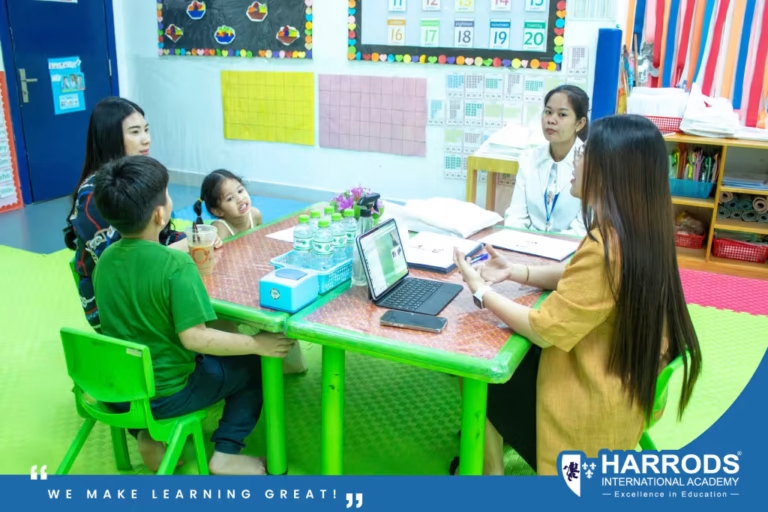
Parents can use a campus visit to interact with educators and understand how teachers approach learning, feedback and student development.
How International Schools Design Student-Centred Campuses
Student-centred campuses are designed around how children actually learn. Rather than providing identical spaces for every activity, they can include collaborative classrooms, specialist learning areas, innovation spaces and outdoor environments.
Such design supports different approaches to education. Students may move between direct teacher instruction, group work, practical investigation and independent study throughout a school day.
Technology can further extend these possibilities by providing access to interactive resources and digital tools. Outdoor experiential learning, meanwhile, can allow students to investigate concepts beyond conventional classrooms.
For parents looking for the best school in Phnom Penh for their individual child, the most important consideration is therefore not simply how impressive a campus looks. The stronger question is whether its design and facilities genuinely support the school’s educational philosophy and students’ everyday learning.
Why Choosing the Right School Campus Is as Important as Choosing the Curriculum
Curriculum determines what and how students are expected to learn, while the campus provides the environment in which much of that learning occurs. The two should therefore complement one another.
Excellent infrastructure can support practical experiments, collaborative projects, independent research, creative activities and physical education. These experiences can help students develop confidence, leadership, communication and other life skills alongside academic knowledge.
A school offering a rigorous curriculum, for example, should also provide resources appropriate for delivering it effectively. Likewise, a campus with advanced technology and facilities should have educators and programmes capable of turning those resources into meaningful learning opportunities.
Parents should consequently evaluate curriculum, campus and teaching quality together. Considering only one of these areas may provide an incomplete picture of the education their child will actually experience.
Conclusion
Understanding what does campus mean involves looking beyond buildings. A high-quality school campus is an educational environment that brings together classrooms, specialist facilities, recreational spaces, security systems and student support to facilitate both academic and personal development.
Safe surroundings provide a foundation for learning, while modern classrooms, laboratories, libraries and sporting facilities create opportunities for students to explore different aspects of their development. The effectiveness of these resources ultimately depends on how well they are integrated with curriculum and teaching.
Parents should therefore visit prospective schools whenever possible, inspect facilities firsthand and speak with teachers and admissions teams. By evaluating safety, learning spaces, student support, extracurricular opportunities and teaching quality, families can determine whether a campus corresponds with their child’s educational and developmental needs.
The goal is not simply to find the largest or newest campus. It is to find an environment where children can feel secure, participate actively in learning and develop the knowledge, confidence and abilities they will need for the future.
Frequently Asked Questions
A school campus is the complete physical environment used by an educational institution, potentially including classrooms, laboratories, libraries, sports facilities, playgrounds and other learning spaces. It is important because students’ surroundings can influence academic experiences, physical activity, social interaction and personal development.
Parents should examine classrooms, libraries, science and technology facilities, sports areas and age-appropriate recreational spaces. They should also consider security systems, accessibility and student-support facilities. More importantly, parents can ask how frequently students use these resources and how they contribute to the curriculum.
A well-planned campus can provide different environments for academic learning, creativity, social interaction and physical activity. Classrooms and laboratories support academic development, sports spaces encourage physical wellbeing, while collaborative and extracurricular environments can strengthen communication, teamwork and confidence.
Children spend a substantial portion of their day at school, making effective safety procedures essential. Controlled access, visitor management, emergency procedures, fire-safety measures and appropriate supervision can help schools reduce risks and respond effectively when problems occur. Parents should ask about both physical security measures and staff procedures when visiting a campus.
The campus provides the setting in which students experience much of their education. Comfortable classrooms can support concentration, specialist facilities enable practical learning, libraries encourage independent research and collaborative spaces facilitate teamwork. An effective environment therefore complements teaching and curriculum by giving students appropriate spaces and resources through which to learn.