Table of Contents
Cambodia’s primary education landscape has changed significantly over the years. Traditionally, primary schooling in Cambodia focused heavily on foundational literacy, numeracy, classroom discipline, and national curriculum requirements. Over time, as the country developed economically and became more globally connected, parents began seeking broader educational pathways that could prepare children not only for local academic progression, but also for international opportunities. This has contributed to the growth of private and international primary schools, particularly in urban areas, where families are increasingly interested in globally recognised curricula, English-medium learning, and holistic education.
The growing popularity of international primary schools in Cambodia reflects a wider shift in parental expectations. Many families now want their children to develop strong communication skills, confidence, creativity, problem-solving abilities, and global awareness from an early age. As a result, the Cambridge Primary Curriculum has become a popular choice among parents who value academic structure, international recognition, and a balanced approach to learning. For parents comparing different international school options, understanding how the Cambridge International Primary Curriculum works can help them make a more informed decision about their child’s educational journey.
In this guide, we will discuss:
- What the Cambridge Curriculum is and how it supports a child’s early academic development
- How the Cambridge Primary years are structured to build knowledge, confidence, and progression
- The typical Cambridge primary subjects available during the primary school years
- Why parents may consider the Cambridge Primary Curriculum for their child’s long-term learning pathway
What Is The Cambridge Curriculum?
The Cambridge Curriculum is an internationally recognised educational framework developed to support learners from the primary years through to secondary and pre-university levels. At the primary stage, it is designed to give young learners a strong foundation in core academic areas while encouraging curiosity, confidence, and independent thinking. The Cambridge Primary Curriculum typically supports children aged 5 to 11 and forms the first stage of the wider Cambridge Pathway.
This is important because primary education sets the tone for how children approach learning throughout their school life. A well-structured curriculum does more than teach basic knowledge; it helps students develop the ability to question, reason, communicate, and apply what they have learnt in meaningful ways. For families in Cambodia seeking an internationally aligned education, the Cambridge international primary curriculum offers a clear and progressive structure that can support both local and global academic pathways.
A practical example of this can be seen in the way Cambridge learning objectives are organised across different stages. Instead of expecting children to master complex concepts all at once, the curriculum gradually builds skills year by year. A student may begin by learning simple reading comprehension and basic number concepts in the early years before progressing towards more advanced writing, mathematical reasoning, and scientific enquiry. This staged approach helps children gain confidence as they develop academically.
A Breakdown Of The Cambridge Primary Years
The Cambridge Primary years are typically designed for learners aged 5 to 11, covering the early and middle years of primary education. These years are structured in stages, allowing students to build knowledge and skills progressively. Each stage supports development in key areas such as English, Mathematics, Science, Digital Literacy, Global Perspectives, and other available subjects depending on the school’s curriculum offering.
This breakdown is important because children develop at different rates during the primary years. A progressive curriculum gives teachers the flexibility to assess where each child is in their learning journey and provide suitable support or enrichment. For parents, this also gives greater clarity on what their child should be learning at each stage and how their progress can be monitored over time.
For example, a child in the early Cambridge Primary stages may focus on developing phonics, basic sentence construction, number sense, and observation skills in Science. As the child moves into higher primary stages, they may begin writing longer compositions, solving multi-step mathematical problems, conducting simple experiments, and discussing global themes in a more structured way. This progression helps prepare students for Cambridge Lower Secondary and other future academic pathways.
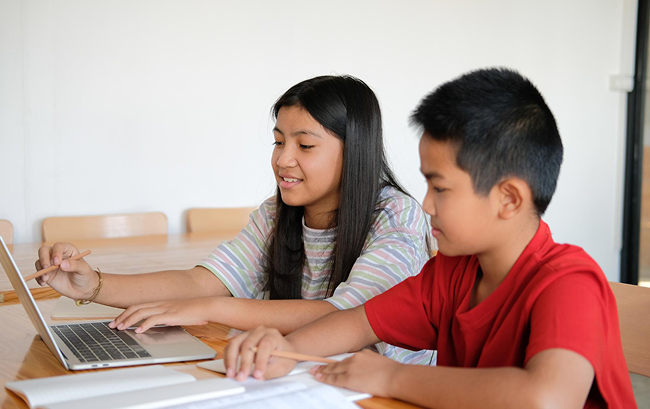
Another example can be seen in classroom activities that encourage active learning. Rather than only memorising facts, students may be asked to explain their reasoning, work with classmates on a project, or reflect on how they reached an answer. These experiences help students understand learning as an active process, not simply a task of remembering information for a test.
Typical Subjects Available in the Primary Years of Cambridge Curriculum
The Cambridge Primary Curriculum offers a broad range of subjects that help develop both academic knowledge and wider life skills. Common Cambridge primary subjects include English, English as a Second Language, Mathematics, Science, Cambridge Global Perspectives, Art & Design, Digital Literacy, Computing, Music, Physical Education, and Wellbeing, depending on what each school chooses to offer.
Subject variety is one of the key strengths of the Cambridge international primary curriculum because it allows children to build a balanced foundation. Core subjects such as English, Mathematics, and Science develop essential academic skills, while subjects such as Art, Music, Physical Education, and Global Perspectives encourage creativity, collaboration, communication, and personal development. This balance is especially valuable during the primary years, when children are discovering their interests and learning how to express themselves.
For example, English lessons help students develop reading, writing, speaking, and listening skills that are essential across all areas of learning. Mathematics supports logical thinking and problem-solving, while Science encourages curiosity through observation, questioning, and investigation. At the same time, Global Perspectives may introduce young learners to topics such as community, environment, and cultural understanding, helping them think beyond their immediate surroundings.
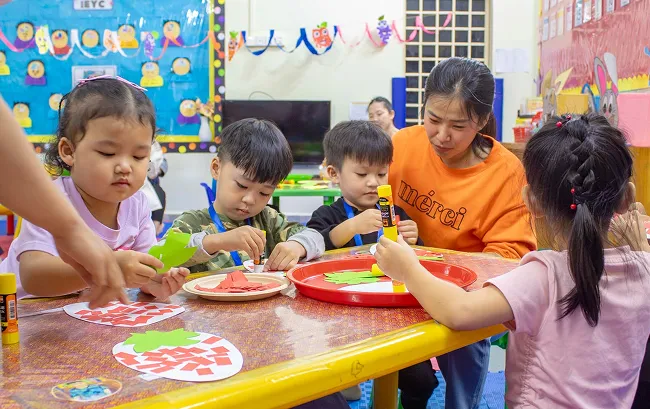
A strong example of subject integration can be seen when students work on a project about environmental responsibility. In Science, they may learn about plants, habitats, or pollution. In English, they may write a short persuasive text about protecting the environment. In Art, they may create posters using recycled materials, while in Global Perspectives, they may discuss how communities can work together to solve environmental challenges. This type of learning helps children see connections between subjects and understand how knowledge can be applied in real life.
For The Parents: Reasons To Consider Cambridge For Your Child
Parents may consider the Cambridge Primary Curriculum because it offers a structured, internationally recognised, and skills-focused approach to education. It supports academic development while also encouraging children to become confident, responsible, reflective, innovative, and engaged learners. These qualities are valuable not only during school years but also in higher education and future career pathways.
This matters because parents often want assurance that their child’s primary education will provide a strong foundation for future success. The Cambridge International Primary Curriculum is designed to support progression into Cambridge Lower Secondary, IGCSE, and later advanced qualifications. For internationally mobile families, or families considering overseas higher education in the future, this continuity can be especially beneficial.
One reason parents value the Cambridge approach is its focus on transferable skills. For example, a child who learns how to explain their thinking in Mathematics is not only preparing for exams but also building communication and reasoning skills. Similarly, a student who participates in group discussions during Global Perspectives is learning how to listen, collaborate, and present ideas clearly. These skills can support success across subjects and in everyday life.
Another reason to consider Cambridge is its emphasis on assessment for learning. Rather than relying only on final examinations, Cambridge schools can use progression tests, classroom assessments, and teacher observations to understand how students are developing. This allows teachers to identify areas where a child may need extra support or additional challenge. For parents, regular feedback can provide a clearer picture of their child’s strengths and learning needs.
Cambridge may also appeal to parents who want their child to experience a global style of education while remaining grounded in a supportive school environment. In Cambodia, where families are increasingly seeking international learning opportunities, Cambridge offers a pathway that combines academic structure with global relevance. Children can build strong foundations in core subjects while developing the confidence to communicate with peers from different cultures and backgrounds.
A useful example can be seen in a student transitioning from primary to lower secondary education. A child who has completed Cambridge Primary will often already be familiar with enquiry-based learning, structured assessments, independent tasks, and subject-specific vocabulary. This familiarity can make the transition smoother and reduce the anxiety that sometimes comes with moving into a more advanced academic stage.
Conclusion
The Cambridge Primary Curriculum provides a strong foundation for children during one of the most important stages of their educational development. As Cambodia’s education landscape continues to evolve, more parents are exploring international primary schools that offer globally recognised programmes, English-medium learning, and a more holistic approach to child development. Cambridge Primary supports this demand by offering a structured and progressive curriculum that balances academic knowledge with practical skills, creativity, and global awareness.
For parents considering the Cambridge international primary curriculum, the key value lies in its ability to prepare children for future learning while nurturing confidence, curiosity, and independence. Through a broad range of Cambridge primary subjects, students are encouraged to think critically, communicate effectively, and apply their knowledge across different areas of learning. Ultimately, Cambridge Primary can be a strong option for families who want their child to begin their academic journey with an internationally recognised foundation and a clear pathway towards future success.
FAQ
Yes, the Cambridge Primary Curriculum is recognised by international schools and education communities around the world. It forms part of the wider Cambridge Pathway, which supports students from primary education through to secondary and pre-university qualifications.
Cambridge Primary is typically designed for children aged 5 to 11. It covers the primary years and helps students build the academic and personal skills needed for later stages of education.
Common Cambridge primary subjects include English, English as a Second Language, Mathematics, Science, Cambridge Global Perspectives, Art & Design, Digital Literacy, Computing, Music, Physical Education, and Wellbeing. The exact subjects offered may vary depending on the school.
Students may be assessed through classroom activities, teacher observations, school-based assessments, progression tests, and other diagnostic tools. These assessments help teachers understand student progress and provide suitable support where needed.