Table of Contents
Over the past several years, education has undergone a significant transformation as schools around the world have begun expanding learning beyond the traditional classroom. Advances in educational technology, greater access to digital resources, and changing student needs have encouraged schools to adopt more flexible approaches to teaching and learning. Rather than relying exclusively on face-to-face instruction, many educators now combine classroom teaching with digital learning experiences that allow students to continue learning anytime and anywhere. This shift has generated growing interest in educational models that make learning more accessible, engaging, and adaptable for modern learners.
Cambodia has also experienced this educational evolution. Over the past two years, many top international schools across the country have invested in digital learning platforms, online collaboration tools, and technology-enhanced classrooms to support more flexible learning environments. While traditional classroom teaching remains an essential part of education, blended learning has emerged as an effective approach that combines the strengths of face-to-face instruction with the advantages of online learning. For secondary students preparing for higher education and future careers, this balanced learning model helps develop academic knowledge alongside valuable digital literacy, communication, and self-management skills.
In this guide, we will explore:
- What blended learning is and how it differs from traditional classroom instruction
- How technology is transforming learning in today’s educational landscape
- The advantages of conducting lessons within virtual classroom environments
- How blended learning can contribute to stronger academic performance among secondary students
What Is Blended Learning?
Many parents and students ask, what is blended learning? Blended learning is an educational approach that combines traditional face-to-face classroom teaching with online learning experiences. Instead of replacing classroom instruction, digital platforms and virtual learning tools complement in-person lessons by giving students additional opportunities to access resources, complete assignments, collaborate with classmates, and receive feedback outside normal school hours.
This approach has become increasingly important because education today extends beyond the physical classroom. Students are expected to develop not only subject knowledge but also digital literacy, independent learning habits, and the ability to access information responsibly. By integrating technology into teaching, blended learning provides greater flexibility while maintaining the valuable interactions between teachers and students that occur during classroom instruction.
A practical example of blended learning can be seen in a secondary science lesson. Students may first learn a scientific concept during an in-person lesson, where the teacher explains key ideas and demonstrates experiments. Afterwards, they may access additional videos, interactive simulations, quizzes, or discussion forums through the school’s online learning platform to reinforce their understanding. This combination allows students to revisit concepts at their own pace while continuing to receive guidance from their teacher.
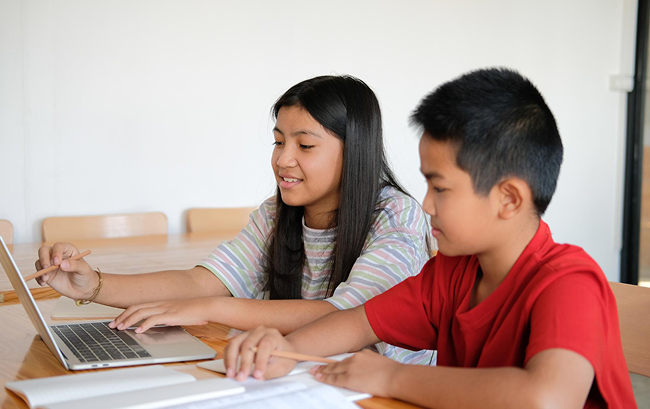
Another example involves collaborative assignments. Students may begin working on a project during classroom time before continuing their research and group discussions online using cloud-based collaboration tools. This enables learning to continue beyond school hours while encouraging teamwork, communication, and responsibility.
How Learning In The Current Age Adapts With Technology
Technology has fundamentally changed how students access, process, and apply information. Today’s learners have immediate access to educational resources, interactive content, virtual laboratories, and collaborative platforms that were not widely available just a decade ago. As technology continues to evolve, schools are increasingly adopting blended learning models that combine digital tools with traditional teaching practices.
This evolution is important because modern workplaces and universities expect students to be comfortable using digital technologies for communication, research, collaboration, and problem-solving. By integrating technology into everyday learning experiences, schools help students develop digital competencies alongside academic knowledge, preparing them for future educational and professional environments.
For example, teachers may use learning management systems to distribute assignments, provide personalised feedback, and monitor student progress in real time. Students can access recorded lessons, digital textbooks, and interactive learning materials from home, allowing them to review difficult concepts whenever additional support is needed. This flexibility encourages independent learning while ensuring that classroom time can be used for deeper discussions, practical activities, and collaborative learning.
Technology also enables greater personalisation of learning. Adaptive learning platforms can recommend activities based on a student’s progress, while online assessments provide immediate feedback that helps learners identify areas requiring further improvement. These digital tools complement classroom teaching by allowing students to learn at a pace that reflects their individual needs.
Perks Of Conducting Lessons In Virtual Classrooms
Virtual classrooms have become an increasingly valuable component of blended learning because they extend educational opportunities beyond the school campus. Through secure online platforms, students can participate in live discussions, collaborate with classmates, access learning resources, and communicate with teachers regardless of their physical location.
The ability to learn in virtual environments is particularly important because it develops flexibility, self-discipline, and digital communication skills. These competencies are increasingly relevant in higher education and many modern careers, where remote collaboration and digital working environments have become common.
One major advantage of virtual classrooms is accessibility. Students who miss lessons due to illness, travel, or other circumstances can often continue participating in learning activities remotely. This continuity helps minimise disruptions to academic progress and ensures that students remain connected to their studies.
Another benefit is increased access to learning resources. Teachers can easily incorporate multimedia presentations, educational videos, virtual experiments, guest speakers, and online discussion boards into lessons. These resources enrich the learning experience and allow students to explore concepts through multiple formats rather than relying solely on textbooks.
Virtual classrooms also encourage greater student participation. Some learners who may be hesitant to speak during face-to-face lessons often feel more comfortable contributing through online discussions, polls, or collaborative digital activities. This broader participation helps create more inclusive learning environments where different learners can engage in ways that suit their communication preferences.
How Blended Learning Improves Academic Performance
One of the primary reasons schools adopt blended learning models is their potential to enhance student achievement by combining the strengths of classroom instruction with technology-supported learning.
Research and educational practice have identified several ways in which blended learning can positively influence secondary student performance.
|
Supporting Factor |
How It Improves Academic Performance |
|
Flexible Learning Pace |
Students can revisit recorded lessons, digital resources, and practice activities whenever additional revision is needed. |
|
Improved Student Engagement |
Interactive digital content, multimedia resources, and collaborative activities increase participation and motivation. |
|
Personalised Learning |
Online platforms allow teachers to provide differentiated learning experiences and targeted feedback. |
|
Immediate Feedback |
Digital quizzes and assessments provide instant feedback, helping students identify misconceptions quickly. |
|
Better Time Management |
Students learn to organise assignments, manage deadlines, and balance independent study with classroom learning. |
|
Greater Access to Learning Resources |
Digital libraries, recorded lessons, simulations, and online databases provide additional opportunities for deeper learning. |
|
Enhanced Collaboration |
Cloud-based tools allow students to work together effectively on projects both inside and outside the classroom. |
|
Development of Digital Literacy |
Students strengthen technology skills that support future university studies and workplace readiness. |
These factors demonstrate why the benefits of blended learning extend beyond convenience alone. By encouraging greater flexibility, personalisation, engagement, and independent learning, blended learning helps students become more confident and effective learners.
A good example can be seen when secondary students prepare for major examinations. Rather than relying solely on classroom revision sessions, students can access recorded lessons, interactive quizzes, and additional practice materials online. This enables them to revisit challenging topics multiple times, improving understanding and confidence before assessments.
Similarly, project-based assignments become more collaborative through blended learning. Students can share research, edit documents together, and communicate through online platforms outside normal school hours. This extended collaboration often leads to higher-quality work while helping students develop communication and organisational skills that are valuable in higher education and future careers.
Conclusion
As education continues to evolve, blended learning has become an increasingly valuable approach for preparing students for the academic and professional demands of the modern world. By combining traditional classroom instruction with digital learning experiences, schools can create flexible, engaging, and personalised learning environments that support both academic achievement and lifelong learning skills. Rather than replacing face-to-face teaching, blended learning strengthens it by extending opportunities for collaboration, independent study, and access to educational resources beyond the classroom.
Even at the upper secondary level, students are able to experience the benefits of blended learning that extend far beyond improved examination performance. Students develop stronger digital literacy, time management, communication, and problem-solving skills while gaining greater ownership of their learning. As more schools in Cambodia continue adopting blended learning models, this educational approach is likely to play an increasingly important role in preparing learners to succeed in higher education and an ever-changing global society.
FAQ
The main purpose of blended learning is to combine face-to-face classroom instruction with online learning experiences to create a more flexible, engaging, and personalised educational environment.
Blended learning helps students by increasing engagement, providing greater flexibility, supporting personalised learning, improving digital literacy, encouraging independent study, and offering access to a wider range of educational resources.
Yes. Research and classroom experience suggest that blended learning can improve academic performance by providing flexible revision opportunities, personalised feedback, increased engagement, and greater access to learning materials.
Common technologies include learning management systems (LMS), video conferencing platforms, cloud-based collaboration tools, digital assessment software, interactive whiteboards, educational applications, online discussion forums, and multimedia learning resources.
Many international schools in Cambodia offer internationally recognised curricula such as Cambridge International, the International Baccalaureate (IB), American, or other national programmes. While schools may adapt aspects of delivery to meet local requirements, these curricula generally follow internationally established academic standards.