Table of Contents
When we ask, “What is inclusivity?”, we are exploring more than just a policy or a classroom strategy. It is a mindset and a commitment that we entrust to ourselves in creating an environment that cultivates camaraderie. Inclusivity education refers to creating a learning environment where every student, regardless of their background, ability, gender, language, culture, or socioeconomic status, feels welcomed, respected and supported.
An inclusive school recognises that each child brings unique strengths and challenges, and it actively works to ensure that these differences do not become barriers to learning. Instead, they become opportunities for growth, collaboration, and mutual respect. By embedding inclusivity into daily practices, schools cultivate communities where diversity is celebrated rather than merely accommodated.
Why Inclusivity Matters In An Academic Environment
The concept of inclusive education is more relevant today than ever before. As societies grow more diverse, schools play a crucial role in shaping how future generations interact with one another. When students learn in environments that value and embrace differences, they are better equipped to become empathetic, respectful, and globally minded citizens.
An inclusive school doesn’t just support students with different abilities; it also creates a sense of belonging for all learners. This sense of belonging positively impacts academic outcomes, mental well-being, and social development. In regions like Southeast Asia, particularly in growing educational hubs like Cambodia, the importance of inclusive schooling continues to expand as schools aim to provide equitable opportunities to every learner.
1. Encourages Collaboration Through Teamwork and Camaraderie
One of the most significant advantages of inclusive education is its ability to encourage collaboration through teamwork and camaraderie. In inclusive classrooms, students of different backgrounds, abilities, and perspectives work together on projects, discussions, and problem-solving activities. This setting promotes peer learning and nurtures interpersonal skills that go beyond academic content.
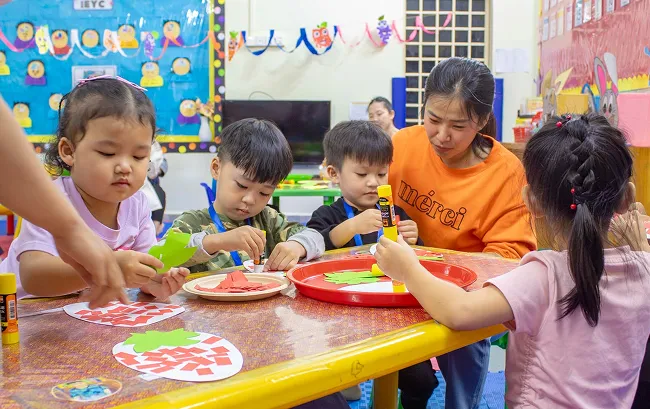
Collaboration is not just a classroom skill. It is a skill that can be applied in every aspect of life. By working alongside peers who may think, communicate, or learn differently, students develop patience, adaptability, and communication skills. Inclusive classrooms model real-world scenarios where individuals must cooperate and value each other’s strengths to achieve common goals. In an inclusive science project group, a student who excels in research may pair with another who is strong in creative presentation, while a third student provides organisational support. Each member contributes uniquely, fostering a sense of shared purpose and respect. Similarly, schools often organise mixed-ability sports teams or group art projects that encourage every child to participate meaningfully, reinforcing the idea that everyone has something valuable to offer.
2. Fosters Empathy and Respect Through Understanding
Another key outcome of inclusive education is that it fosters empathy and respect among students. By learning alongside peers with different needs, languages, or cultural backgrounds, students naturally begin to understand perspectives other than their own.
Empathy and respect are foundational for creating inclusive societies. When students are exposed to diversity in their formative years, they are less likely to develop prejudices or stereotypes. Instead, they grow up with a deep sense of appreciation for differences. Inclusive classrooms teach children that differences are not deficits. They are opportunities for learning, understanding, and connection.
For instance, in an inclusive school in Cambodia, teachers may use classroom activities such as “cultural exchange days,” where students share their traditions, languages, or family stories with their classmates. Similarly, lessons may incorporate books and discussions that highlight various abilities and experiences, helping students relate to others on a personal level. Role-playing exercises, buddy systems, and peer mentoring are additional strategies that encourage students to support and understand one another, building a culture of empathy.
3. Prepares Students to Thrive in a Diverse Environment
A major benefit of inclusive education is that it prepares students to thrive in diverse environments—both academically and professionally. In today’s interconnected world, workplaces and communities are increasingly multicultural and multifaceted. Students who grow up in inclusive schools are naturally better equipped to navigate this diversity with confidence and sensitivity.
By learning in classrooms that mirror the diversity of the real world, students develop cultural competence, adaptability, and critical thinking skills. They are more likely to become inclusive leaders, effective collaborators, and compassionate individuals. In countries like Cambodia, where educational systems are rapidly evolving, adopting inclusive models helps prepare the next generation for participation in a global economy and multicultural society.
Students who have worked on group projects with peers from different backgrounds often excel in university group work, international programs, and cross-cultural workplaces. IIn some of the best international schools in Cambodia, exchange programs and community service projects expose students to different communities, helping them build resilience and cultural sensitivity. Programs like the IPC international primary curriculum further support inclusive learning by structuring lessons to meet diverse needs. These experiences lay the foundation for successful engagement in a globalised world.
In Summary
When asked what inclusivity is, the answer goes beyond access, it is about creating spaces where every student feels valued and empowered to contribute. Through teamwork and camaraderie, empathy and understanding, and preparation for diverse futures, inclusive education benefits not just individual students but entire communities.
An inclusive school is more than a place of learning, it is a model for the kind of society we want to build. One where diversity is embraced, and everyone has the opportunity to thrive. As the educational landscape grows more interconnected, especially in places like Cambodia, schools that prioritise inclusivity are taking essential steps toward shaping compassionate, collaborative, and globally-minded citizens.