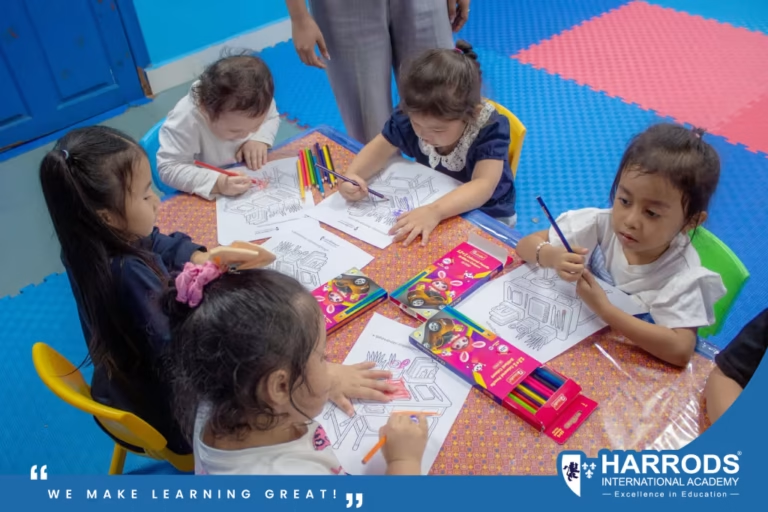
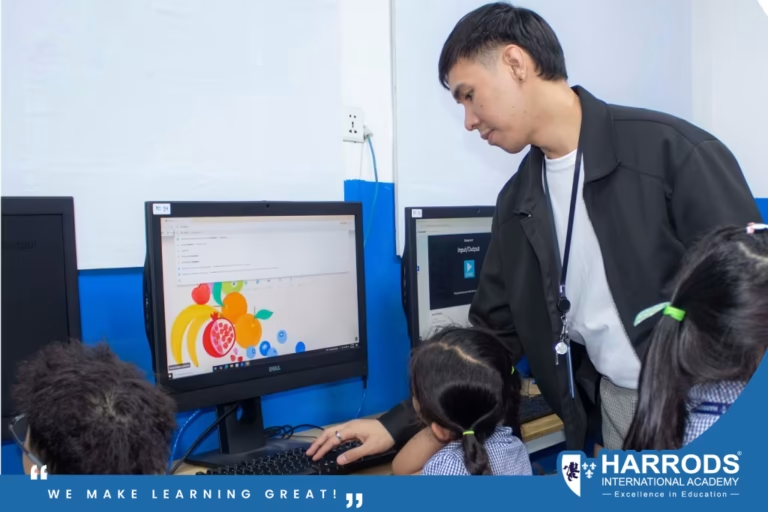
Primary education is the foundation of a child’s development, setting precedents for intellectual, social, and mental growth. This formative period, which often includes the early years of formal education, offers students fundamental reading and numeracy skills. Globally, about 87-91 % of children of primary school age are enrolled in primary education, a huge rise from around 50 % in the 1950s, but around 11 % of children still remain out of school today. Beyond academics, the importance of primary education is prominent in fostering interpersonal skills like empathy, communication and teamwork.
Primary education promotes emotional development by boosting confidence, resilience, and effective emotional control. If all women completed primary education, child mortality could drop by about one-sixth and nearly 1 million children’s lives could be saved each year — highlighting long-term well-being and health benefits tied to primary schooling. Its long-term benefits include improved well-being, economic stability, and increased civic engagement. This article will highlight the significant benefits that students can receive from primary schooling.

What is Primary Education?
Primary education is the fundamental level of formal learning, emphasising basic skills required for cognitive growth. This stage also covers fundamental principles in subjects like English, arts, mathematics and science. Primary education fosters intellectual curiosity, problem-solving ability, and social skills. It establishes the framework for lifetime learning and personal growth and is a universally acknowledged fundamental right for all children.
What is the Importance of Primary Education?
Primary school is critical for a child’s growth, offering fundamental skills and resources to influence their future. Securing primary admissions in a reputed school ensures that your kids will get ample opportunities to develop all the below-listed abilities:
Building Fundamental Skills:
Primary education is critical to nurture fundamental skill sets in children, laying the framework for lifelong learning. It equips learners with vital reading and numeracy skills for academic achievement and daily activities. This stage aids in developing analytical and problem-solving skills and encourages intellectual curiosity.
Primary education promotes the cultivation of critical abilities like communication, collaboration, and empathy, necessary for personal and professional success. Primary education establishes these core abilities, laying the groundwork for future successes.